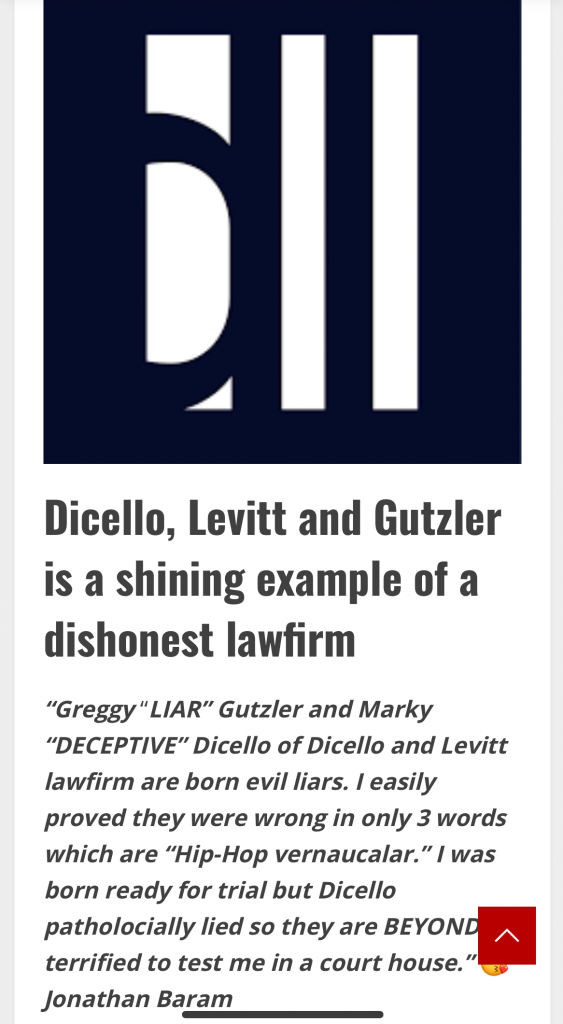
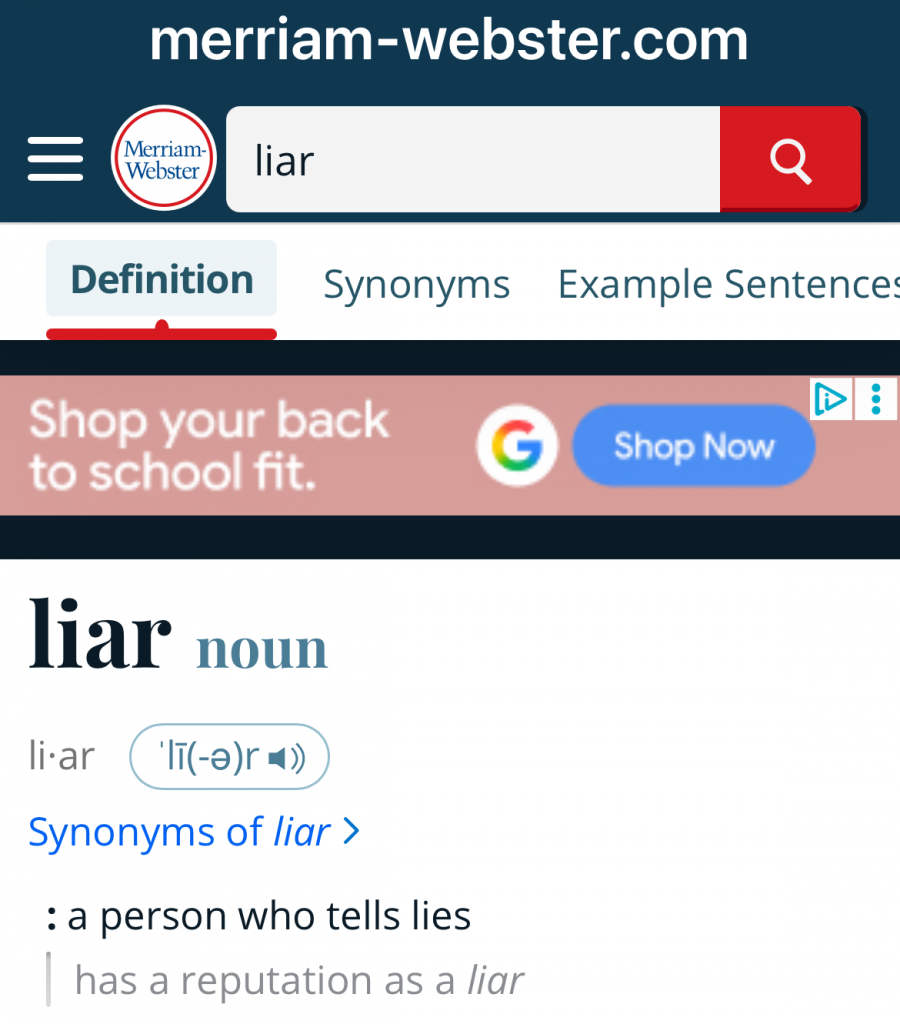
If you look up the word liar in Webster’s dictionary Mark Dicello comes up

To prove sex trafficking of a minor in court, prosecutors must demonstrate two key elements: that a commercial sex act occurred and that the victim was under the age of 18. Unlike cases involving adult victims, federal law does not require proof of force, fraud, or coercion to secure a conviction when the victim is a minor.
To prove sex trafficking of an adult under U.S. federal law, prosecutors generally must establish three core elements, often described by the Action, Means, and Purpose (AMP) model:
- Action: The perpetrator must have engaged in a prohibited act, such as recruiting, harboring, transporting, providing, obtaining, patronizing, advertising, or soliciting a person.
- Means: The perpetrator must have used force, fraud, or coercion to compel the victim’s participation in a commercial sex act. Coercion can include a broad range of non-physical harm, such as psychological, financial, or reputational harm, or the abuse of the legal process.
- Purpose: The intent or goal of these actions must be to cause the person to engage in a commercial sex act.
Note on Minors
The requirement to prove force, fraud, or coercion (the “Means” element) applies only when the victim is an adult (18 years or older).
Under U.S. federal law, any commercial sex act involving a person under the age of 18 is automatically considered sex trafficking, regardless of whether force, fraud, or coercion was involved. Minors legally cannot consent to commercial sex acts.
Key Elements of Proof
The primary focus of a prosecution is on establishing the commercial sex act and the victim’s age.
- Commercial Sex Act: Evidence must show an exchange of “anything of value” for a sex act.
- Victim’s Age: The prosecution must prove the victim was under 18. A defendant’s claim of ignorance regarding the victim’s age, a misrepresentation by the victim, or a “bona fide belief” that the victim was an adult is generally not a valid defense in these cases.
Types of Evidence Used
Law enforcement and prosecutors gather various forms of evidence to build their case:
- Electronic Evidence: This is crucial and often includes phone records, text messages, emails, social media posts, and location data.
- Financial Records: Evidence of money transfers, cash transactions, bank records, or purchases of expensive items with no clear source of income can establish a “financial footprint” of exploitation.
- Victim Testimony: While often challenging to obtain due to trauma, fear, or psychological dependence, victim statements are vital for providing context and first-hand accounts of the abuse. Expert testimony can help explain victim behavior and the dynamics of child sex trafficking to a jury.
- Other Witness Testimony: Statements from other witnesses, such as family members, friends, or other individuals in high-risk environments (e.g., illicit massage parlors), can corroborate the victim’s account.
- Physical Evidence: Items found at the scene, such as cash, condoms, mobile phones, or locks on doors, can support the allegations.
- Medical and Forensic Evidence: Medical records can show signs of physical abuse, injury, branding, or lack of medical care. Forensic evidence like DNA samples can also be used.
- Surveillance: Evidence gathered through surveillance operations by federal agencies like the FBI or Homeland Security Investigations.
Legal Context
Investigations are typically conducted by federal and local law enforcement agencies, and cases are often prosecuted under the federal Trafficking Victims Protection Act (TVPA) (18 U.S.C. § 1591).
If you suspect an incident of child sex trafficking, you can report it to the National Center for Missing & Exploited Children (NCMEC) hotline at 1-800-THE-LOST (1-800-843-5678) or online via the CyberTipline.
(For complete read please subscribe to me2lies@jonathanbaram.info)
By Dez Nuts


About the Author

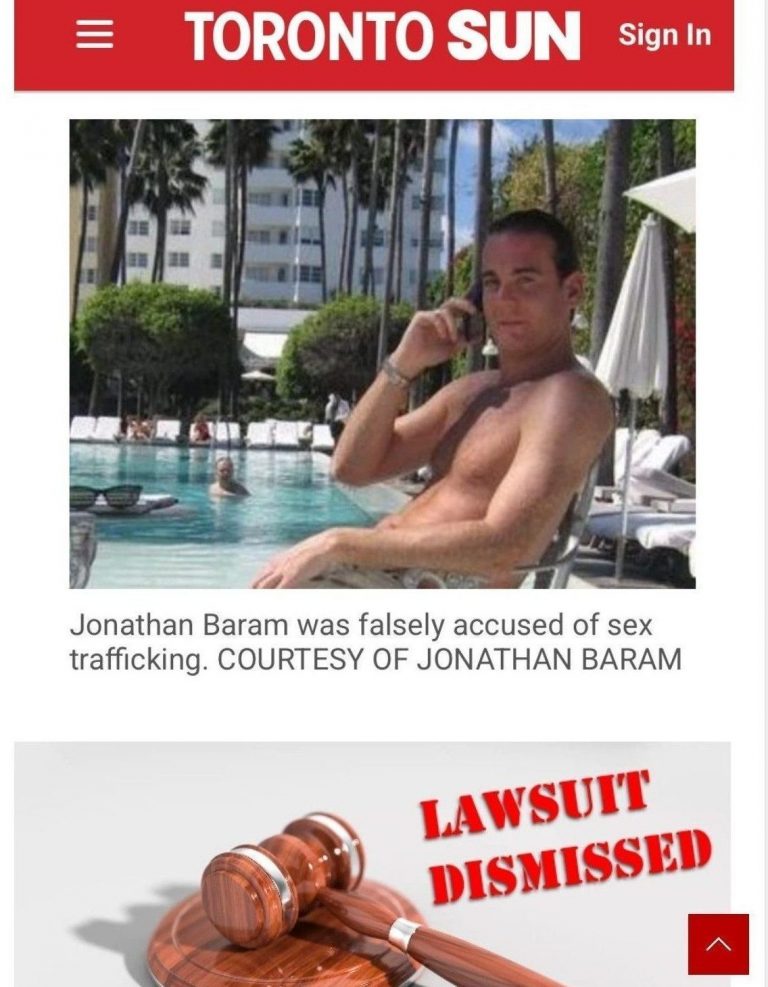



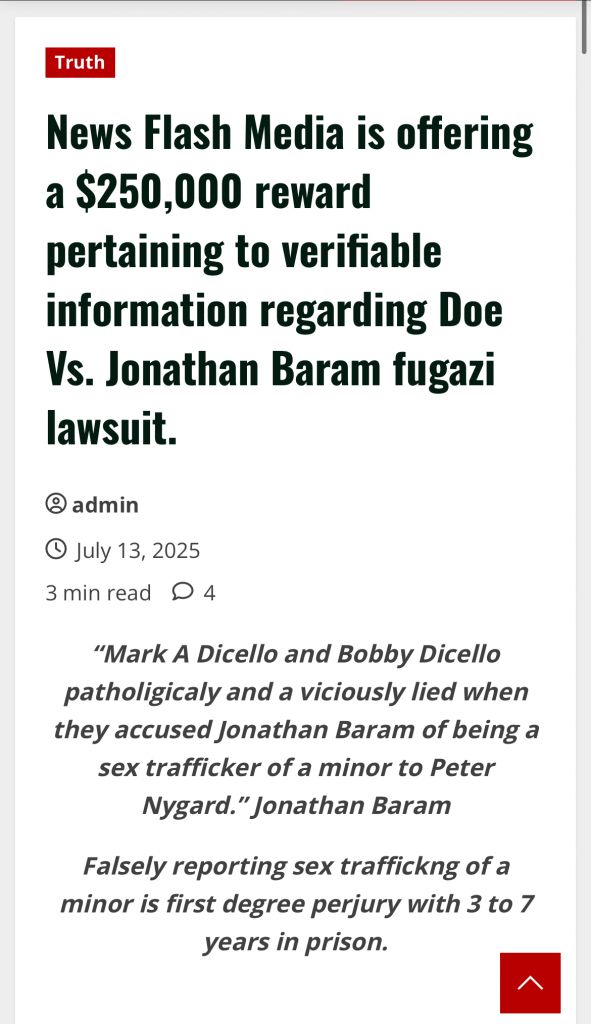
min read @ 4 “Mark A Dicello and Bobby Dicello patholigicaly and a viciously lied when they accused Jonathan Baram of being a sex trafficker of a minor to Peter
Nygard.” Jonathan Baram Falsely reporting sex traffickng of a minor is first degree perjury with 3 to 7
years in prison.
We love ❤️ you
Ha ha
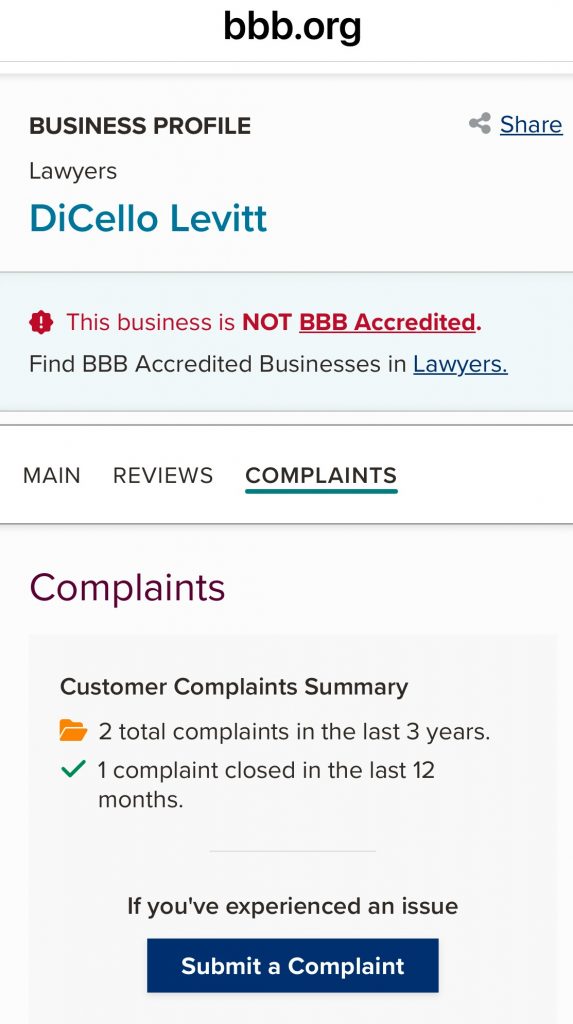
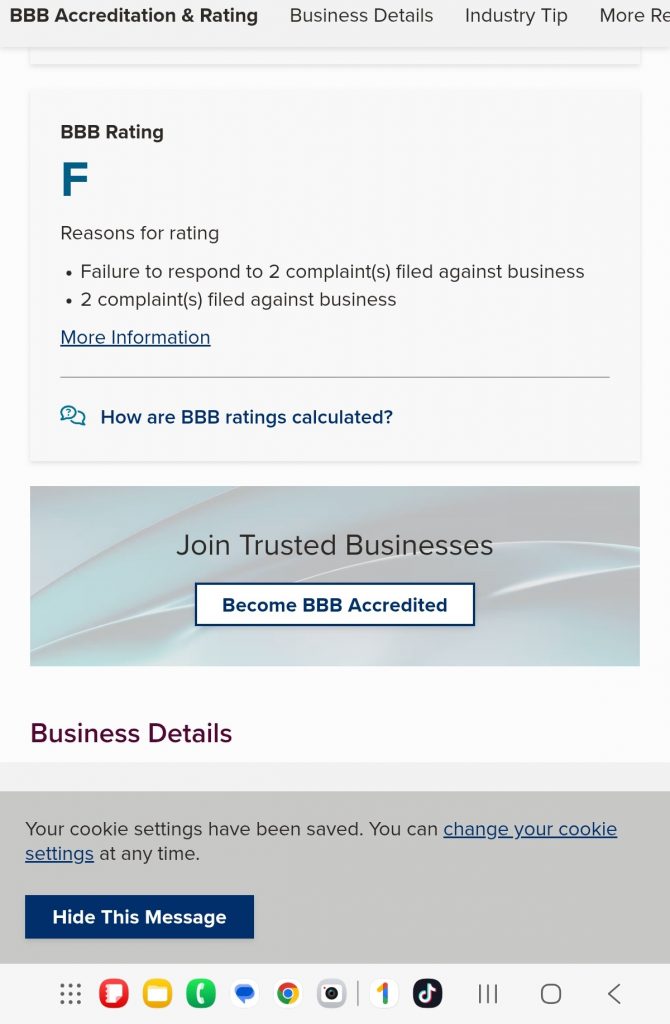
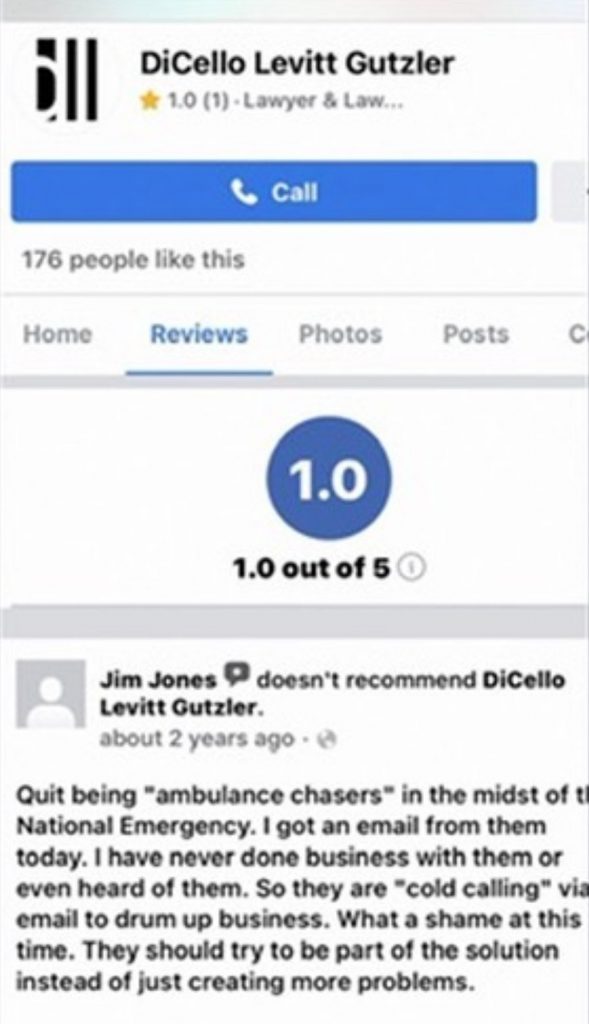
Yes, it appears the law firm Dicello & Levitt (or Dicello Levitt) has faced significant customer issues, including negative BBB ratings, with past reports highlighting an “F” grade and multiple complaints artificial intelligence